

- Home
- Conditions
- Varicose Veins and Venous Insufficiency
Vein Treatment Doctors in Los Angeles
Varicose Veins and Venous Insufficiency Treatment in Los Angeles
More than a cosmetic issue—a circulation problem that can progress.
What are Varicose Veins?
Varicose veins occur when weakened or damaged veins allow blood to pool in the legs. For some patients, they are mainly cosmetic. For others, they cause aching, heaviness, swelling, skin changes, or more advanced venous disease.
Venous insufficiency can worsen over time when the valves in the leg veins no longer move blood efficiently back toward the heart. Most symptomatic varicose veins occur because underlying vein valves fail, causing venous reflux.
ELMNT IR offers minimally invasive vein treatments designed to close diseased veins and redirect blood flow through healthier vessels.
Symptoms of Varicose Veins and Venous Insufficiency
Symptoms may include:
- Bulging or twisted veins
- Leg heaviness or aching
- Swelling, especially after standing
- Itching or skin irritation
- Night cramps or restlessness
- Skin discoloration
- Slow-healing wounds or ulcers in advanced cases
These symptoms can affect comfort, mobility, appearance, and daily activity.
When to Seek Treatment for Varicose Veins
Evaluation is recommended when varicose veins are painful, worsening, or associated with swelling or skin changes.
Untreated venous insufficiency can contribute to:
- Progressive leg swelling
- Skin discoloration or inflammation
- Venous ulcers
- Increasing discomfort with standing or walking
- Reduced quality of life
How Venous Insufficiency is Diagnosed
Diagnosis typically involves:
- Clinical history and symptom assessment
- Physical exam
- Duplex ultrasound to evaluate vein function and blood flow
- Review of prior vein treatments or clotting history
ELMNT IR works closely with referring physicians to determine whether vein ablation or another venous intervention is appropriate.
Non-Invasive Vein Treatment Options
Treatment depends on symptoms, ultrasound findings, and disease severity. Options may include:
- Compression stockings
- Activity modification and leg elevation
- Sclerotherapy for select veins
- Varicose vein ablation
- Additional venous interventions for more complex disease
Varicose Vein Ablation (VVA)
Varicose Vein Ablation treats diseased veins by sealing them from the inside. Once the abnormal vein is closed, blood naturally redirects through healthier veins.
Key advantages:
- No large surgical incision
- Minimally invasive outpatient treatment
- Short recovery time
- Can improve symptoms and appearance
- Treats the underlying source of venous reflux in appropriate patients
Who is a Candidate for Varicose Vein Treatment?
You may be a candidate for vein ablation if:
- You have symptomatic varicose veins
- Ultrasound confirms venous reflux
- Compression or conservative measures have not provided enough relief
- Symptoms affect comfort, activity, or quality of life
- You have skin changes related to venous disease
A consultation and ultrasound evaluation can help determine the most appropriate treatment.
Why Choose ELMNT IR for Varicose Vein Care?
ELMNT IR is designed to bring advanced interventional radiology procedures into a more accessible, patient-centered setting.
- Specialized focus on image-guided therapies
- Experience treating venous disease
- Streamlined referral and scheduling process
- Outpatient environment designed for comfort and efficiency
- Close coordination with referring physicians
What Causes Chronic Venous Insufficiency?
Healthy leg veins contain one-way valves that help move blood toward the heart. When these valves become weakened or damaged, blood can flow backward and collect in the lower legs. This backward flow, known as venous reflux, increases pressure inside the veins and can contribute to swelling, discomfort, and visible varicose veins.
Several factors may increase the likelihood of developing chronic venous insufficiency, including age, family history, pregnancy, obesity, previous blood clots, and prolonged periods of standing.
Over time, elevated pressure within the veins can affect surrounding tissues. Some patients develop skin irritation, darkening around the ankles, or changes in skin texture. More advanced disease can lead to venous leg ulcers, particularly near the ankles.
Recognizing these changes can help patients seek evaluation before additional complications develop.
Understanding Superficial and Deep Vein Problems
Not all circulation problems in the legs involve the same veins. The venous system includes superficial veins located closer to the skin and deep veins that carry much of the blood returning toward the heart.
Varicose veins commonly develop when valves in the superficial venous system stop functioning properly. However, some patients also have problems involving the deep veins, including valve dysfunction or obstruction.
This distinction matters because the appropriate treatment depends on which veins are affected.
A duplex ultrasound examination allows physicians to assess blood flow, identify areas of reflux, and evaluate for potential obstruction. These findings help determine whether superficial vein ablation is appropriate or whether further investigation is needed.
What Happens After Varicose Vein Ablation?
One common question patients have about minimally invasive vein treatment is what happens to circulation after an abnormal vein is closed.
When a diseased superficial vein is successfully sealed through ablation, blood is redirected through other functioning veins. The treated vein gradually becomes fibrotic and is absorbed by the body over time.
Because the deeper venous system normally carries most of the blood returning from the legs, closing an appropriately selected diseased superficial vein generally does not interfere with healthy circulation.
Recovery depends on the procedure performed and the patient’s overall health. Many patients can resume light daily activities relatively quickly, although walking recommendations, compression use, and temporary activity restrictions vary.
Some individuals may experience temporary bruising, tenderness, or tightness along the treated vein. Less common complications can include nerve irritation, skin injury, infection, or blood clots.
At ELMNT IR, our board-certified vein doctors will explain the expected recovery process and any necessary follow-up care.
Frequently Asked Questions About Varicose Veins
Can varicose veins return after treatment?
Yes. Although an effectively treated vein generally remains closed, new varicose veins can develop in other parts of the venous system. Continued monitoring may be appropriate if symptoms return or new veins become visible.
Do compression stockings cure venous insufficiency?
No. Compression stockings can help manage swelling, heaviness, and discomfort by supporting blood flow in the legs. However, they do not repair damaged vein valves or permanently eliminate venous reflux.
Are spider veins and varicose veins the same thing?
No. Spider veins are typically smaller, superficial blood vessels that appear as red, blue, or purple lines near the skin’s surface. Varicose veins are usually larger, enlarged veins that may bulge or twist. Spider veins are often cosmetic, while varicose veins may be associated with underlying venous reflux.
When are varicose veins a medical concern?
Varicose veins deserve medical evaluation when they cause persistent pain, swelling, skin discoloration, inflammation, or sores that do not heal. Bleeding from a varicose vein requires urgent medical attention. Sudden leg swelling or pain may indicate a blood clot and should be assessed promptly. Chest pain or sudden shortness of breath requires emergency care.
Where can I find minimally invasive varicose vein treatment in Los Angeles?
ELMNT IR provides evaluation and minimally invasive vein treatment in West Los Angeles. For patients experiencing painful varicose veins or symptoms of chronic venous insufficiency, a consultation can help determine whether vein ablation or another treatment approach may be appropriate.
Schedule Your Vein Care Appointment
If you have painful or worsening varicose veins, evaluation can help determine whether ablation may be appropriate.
Request a consultation or speak with your physician about a referral to ELMNT IR.
- Interventional Radiologists in Los Angeles
Leading Vein Doctors in Los Angeles
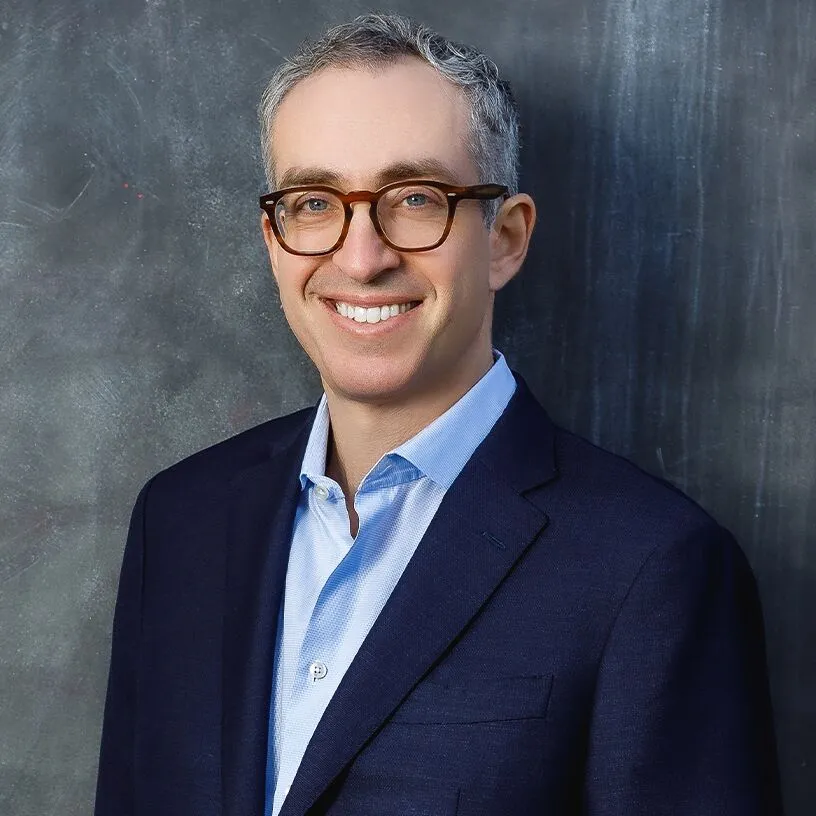
Jonathan Steinberger, MD
Board-Certified Vein Doctor in Los Angeles
Jonathan Steinberger, MD
Board-Certified Vein Doctor in Los Angeles
After graduating magna cum laude from Harvard University, Dr. Steinberger earned his medical degree from the Icahn School of Medicine at Mount Sinai and completed his residency in diagnostic radiology. He subsequently completed fellowship training in interventional radiology at UCLA. Dr. Steinberger also completed the prestigious Stanford Biodesign Fellowship, where he focused on medical innovation and technology development.
In addition to his clinical practice, Dr. Steinberger is an attending interventional radiologist at Cedars-Sinai Medical Center, an adjunct professor at Oregon Health & Science University’s Dotter Interventional Institute, and a recognized leader in the field through his research, publications, and participation in clinical trials.
- Phone:310-491-1313
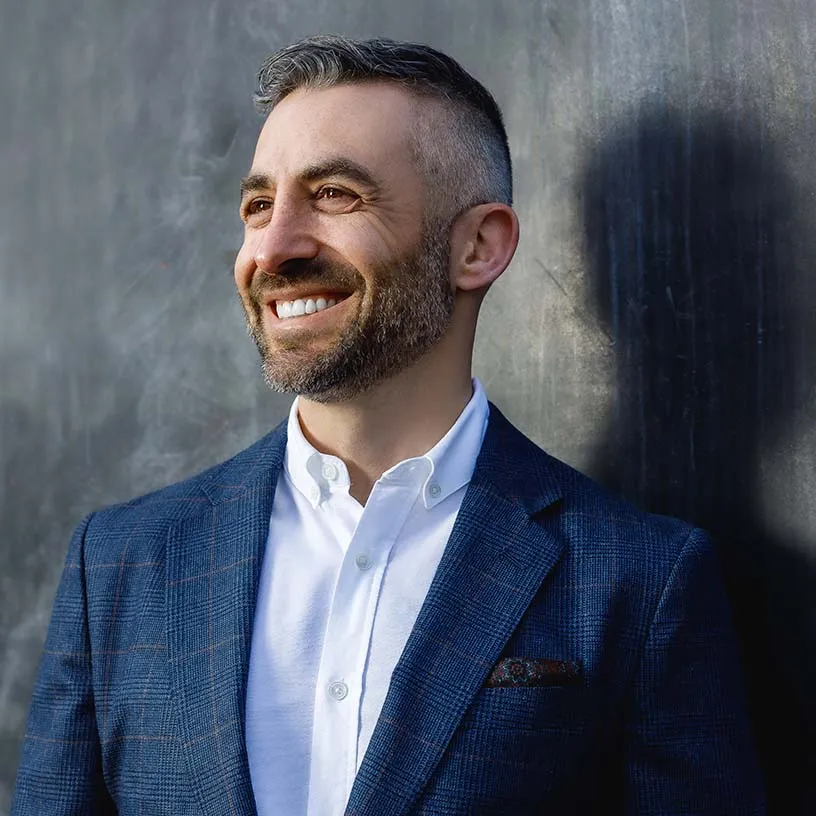
Gabriel Lipshutz, MD
Board-Certified Vein Doctor in Los Angeles
Gabriel Lipshutz, MD
Board-Certified Vein Doctor in Los Angeles
Throughout his career, Dr. Lipshutz has held prominent academic and clinical leadership roles, including serving as Interventional Radiology Program Director at Cedars-Sinai Medical Center. He has contributed to numerous clinical trials, authored peer-reviewed publications, and frequently lectures at national and international conferences. Repeatedly recognized as a "Top Doctor" and "Super Doctor," Dr. Lipshutz is known for combining clinical excellence with a patient-centered approach to care.
- Phone:310-491-1313
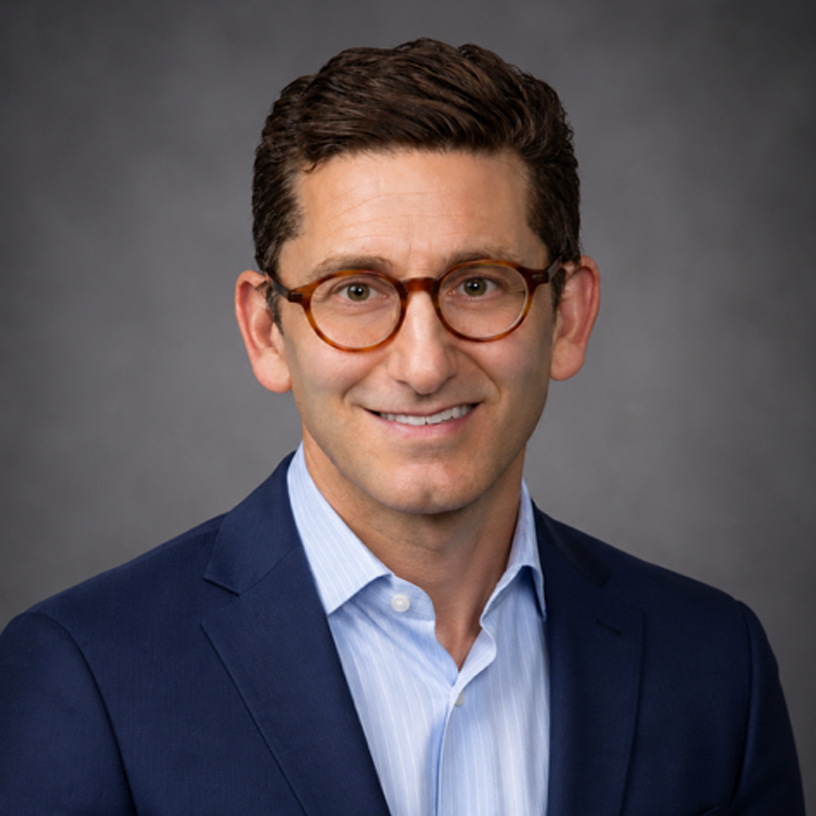
Adam Plotnik, MD, FSIR
Board-Certified Vein Doctor in Los Angeles
Adam Plotnik, MD, FSIR
Board-Certified Vein Doctor in Los Angeles
Dr. Plotnik earned his medical degree from the University of Melbourne in Australia and completed a Master of Science in Diagnostic Imaging, graduating with distinction from the University of Oxford. Following his radiology training in Australia, he pursued advanced fellowship training at UCLA in Diagnostic Cardiovascular Imaging and Interventional Radiology before joining the faculty as an Associate Professor of Interventional Radiology.
Before joining ELMNT IR, Dr. Plotnik served as Associate Professor of Interventional Radiology at UCLA while also holding leadership roles as Chair of Diagnostic Services and Medical Director of Interventional Radiology at Martin Luther King Jr. Community Hospital in Los Angeles. Throughout his career, he has been recognized for his commitment to advancing patient care, clinical excellence, and innovation in minimally invasive therapies.
Dr. Plotnik has been awarded the designation of Fellow of the Society of Interventional Radiology (FSIR), one of the highest honors in the specialty. This distinction recognizes physicians who have demonstrated exceptional professional achievement, leadership, and significant contributions to the field of interventional radiology.
- Phone:310-491-1313
Dr. Gabriel Lipshutz
Interventional Radiologist
Dr. Jonathan Steinberger
Interventional Radiologist
- Interventional Radiology Center in Los Angeles
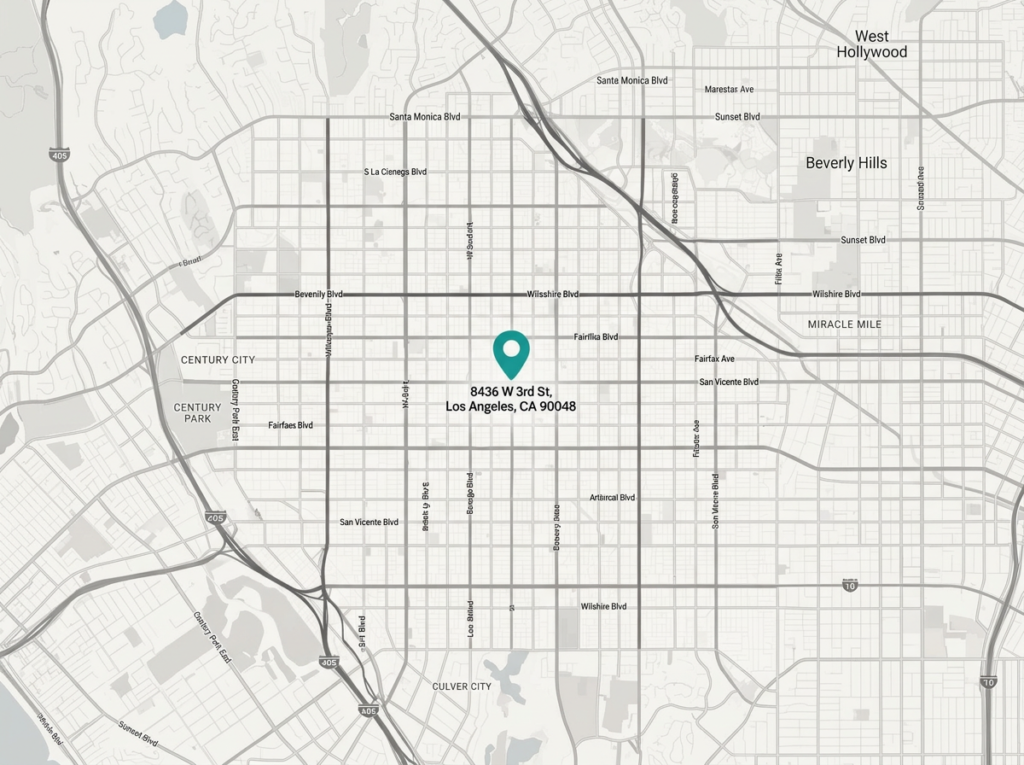
Los Angeles Vein Treatment Center
Conveniently located to serve patients across West LA and surrounding communities.
8436 W 3rd St, Suite 701
Los Angeles, CA 90048
Tel: 310-491-1313
Call to schedule
Same-Week Appointments
Available for consultations