

- Home
- Procedures
- Enlarged Prostate (BPH)
Enlarged Prostate Doctors in Los Angeles
Enlarged Prostate (BPH) Treatment in Los Angeles
Our board-certified interventional radiologists offer minimally invasive treatment options for enlarged prostate (BPH) in Los Angeles, helping relieve urinary symptoms without traditional surgery.
Frequently Asked Questions About Enlarged Prostate
Non-Invasive Enlarged Prostate Treatment in Los Angeles
An enlarged prostate, also known as Benign Prostatic Hyperplasia (BPH), is a common condition in which the prostate gland increases in size. Because the prostate surrounds part of the urethra, enlargement can place pressure on the urethra and interfere with the normal flow of urine.
BPH is non-cancerous, but its symptoms can become increasingly disruptive. Men may experience frequent urination, difficulty starting urination, a weak urine stream, incomplete bladder emptying, or the need to wake frequently during the night to urinate.
Our board-certified prostate doctors provide options that range from medication to surgical procedures, depending on the severity of symptoms and their impact on daily life.
ELMNT IR offers Prostate Artery Embolization (PAE), a minimally invasive, image-guided treatment for appropriately selected patients with symptomatic BPH.
Symptoms of an Enlarged Prostate
Symptoms of BPH are generally related to changes in urinary function and can vary in severity.
Common enlarged prostate symptoms include:
- Frequent Urination: Needing to urinate more often than usual during the day.
- Nighttime Urination: Waking multiple times during the night to urinate, also known as nocturia.
- Urgency: Experiencing a sudden or difficult-to-control need to urinate.
- Difficulty Starting Urination: Having trouble beginning the urinary stream even when the bladder feels full.
- Weak Urine Stream: Urine flow may become slower, weaker, or stop-and-start.
- Incomplete Emptying: Feeling as though the bladder has not completely emptied after urination.
- Dribbling: Continued dripping of urine after finishing urination.
- Straining: Needing to push or strain to begin or maintain urine flow.
Urinary symptoms can have causes other than BPH. An appropriate medical evaluation is important to determine the underlying cause before treatment.
When to Seek Treatment for an Enlarged Prostate in Los Angeles
Mild BPH symptoms may initially be monitored or managed conservatively. Further evaluation by enlarged prostate specialists may be appropriate when urinary symptoms become persistent, worsen, or begin interfering with everyday activities.
Consider seeking medical evaluation for:
- Increasing urinary frequency or urgency
- Frequently waking at night to urinate
- Difficulty starting or maintaining urine flow
- A weak or interrupted urine stream
- Difficulty completely emptying the bladder
- Symptoms that interfere with sleep, work, travel, or daily activities
- Symptoms that continue despite medication or previous treatment
Sudden inability to urinate requires prompt medical attention.
How Prostate Doctors Diagnose Enlarged Prostate in Los Angeles
Evaluation for BPH may include:
- Medical history and urinary symptom assessment
- Physical examination
- Review of medications and previous BPH treatments
- Urine testing
- Blood testing when appropriate
- Prostate-specific antigen (PSA) testing when clinically indicated
- Urinary flow or bladder-emptying assessment
- Ultrasound, MRI, or other imaging when needed
Because several conditions can cause urinary symptoms, an appropriate evaluation is important before attributing symptoms to an enlarged prostate.
ELMNT IR‘s prostate providers works with referring physicians and urologists to determine whether patients with confirmed symptomatic BPH may be candidates for embolization at our Los Angeles prostate center .
Minimally Invasive Treatment Options for Enlarged Prostate in Los Angeles
Treatment depends on the severity of urinary symptoms, prostate characteristics, overall health, previous treatments, and patient preference.
Options may include:
- Active Surveillance: Mild symptoms that are not significantly affecting quality of life may be monitored.
- Lifestyle Changes: Adjustments involving fluid intake and other habits may help some patients manage urinary symptoms.
- Medication: Medications may be prescribed to relax prostate and bladder muscles or help reduce prostate enlargement.
- Urologic Procedures: Several minimally invasive and surgical procedures can be used to improve urinary flow by treating or removing obstructive prostate tissue.
- Prostate Artery Embolization (PAE): A minimally invasive, image-guided procedure that reduces blood flow to the prostate, allowing the gland to shrink over time.
There is no single BPH treatment that is appropriate for every patient. Understanding the available options can help patients have an informed conversation with their urologist and interventional radiologist.
A Minimally Invasive Option: Prostate Artery Embolization (PAE)
Prostate Artery Embolization (PAE) is a catheter-based treatment for symptomatic BPH performed by an interventional radiologist.
During PAE, advanced imaging is used to identify the arteries supplying blood to the prostate. Tiny particles are delivered through a catheter to reduce blood flow to targeted areas of the prostate. The prostate can then gradually decrease in size, helping reduce pressure on the urethra and improve urinary symptoms.
Key Advantages of PAE:
- Minimally invasive, catheter-based procedure
- No open surgical incision
- Does not require surgical removal of prostate tissue
- Outpatient treatment in many cases
- Designed to improve BPH-related urinary symptoms
- Typically involves a shorter recovery than traditional prostate surgery
Who is a Candidate for Non-Invasive Prostate Treatment?
PAE may be considered for patients who:
- Have urinary symptoms related to an enlarged prostate
- Have been diagnosed with benign prostatic hyperplasia
- Experience symptoms that interfere with sleep or everyday activities
- Have not received adequate relief from medication
- Want to explore an alternative to traditional prostate surgery
- Have prostate anatomy and blood vessels suitable for embolization
Not every patient with urinary symptoms or BPH is a candidate for PAE. A consultation, appropriate urologic evaluation, and imaging review can help determine whether embolization is an appropriate treatment option.
Leading Board-Certified Enlarged Prostate Specialists in Los Angeles
ELMNT IR is designed to bring advanced interventional radiology procedures out of the hospital and into a more accessible, patient-centered setting.
- Specialized focus on image-guided therapies
- Experience with advanced embolization procedures
- Minimally invasive approach to BPH treatment
- Streamlined referral and scheduling process
- Outpatient environment designed for comfort and efficiency
- Close coordination with referring physicians and urologists
Is an enlarged prostate the same as prostate cancer?
No. Benign prostatic hyperplasia is a non-cancerous enlargement of the prostate. However, BPH and other prostate conditions can cause overlapping symptoms. Appropriate medical evaluation is important to determine the cause of urinary changes.
What are the most common symptoms of an enlarged prostate?
Common symptoms include frequent or urgent urination, waking at night to urinate, difficulty starting urination, a weak or interrupted urine stream, straining, and feeling that the bladder has not completely emptied
Does an enlarged prostate always require treatment?
No. Men with mild symptoms may not require immediate treatment and may be monitored by their physician. Treatment is generally considered when symptoms become bothersome, affect quality of life, or contribute to urinary complications.
Can an enlarged prostate be treated without surgery?
Yes. Treatment options for BPH include lifestyle modifications, medication, certain urologic procedures, and Prostate Artery Embolization. PAE is a minimally invasive treatment that does not require traditional surgical removal of prostate tissue.
What is Prostate Artery Embolization?
PAE is an image-guided procedure performed by an interventional radiologist. A small catheter is guided to arteries supplying the prostate, where tiny particles are delivered to reduce blood flow. This allows the prostate to gradually shrink and can help improve urinary symptoms associated with BPH.
How do I know if I am a candidate for PAE?
Candidacy depends on factors such as the cause and severity of urinary symptoms, prostate size and anatomy, medical history, previous BPH treatments, and imaging findings. Evaluation by the appropriate physicians can determine whether PAE should be considered.
Where can I get minimally invasive BPH treatment in Los Angeles?
ELMNT IR in West Los Angeles evaluates patients for Prostate Artery Embolization as a minimally invasive treatment option for symptomatic BPH. A consultation and review of the appropriate medical evaluation and imaging can determine whether PAE may be an option.
Speak to an ELMNT IR Prostate Physician in Los Angeles
If frequent urination, nighttime bathroom trips, weak urine flow, or other symptoms of an enlarged prostate are interfering with your daily life, an evaluation can help determine the cause and clarify your treatment options.
For appropriately selected patients with BPH, Prostate Artery Embolization may provide a minimally invasive alternative to traditional prostate surgery.
Request a consultation or speak with your physician or urologist about referral to ELMNT IR.
- INTERVENTIONAL RADIOLOGISTS IN LOS ANGELES
Enlarged Prostate Doctors in Los Angeles
Our board-certified enlarged prostate doctors are recognized leaders in interventional radiology in Los Angeles with extensive experience performing advanced, minimally invasive prostate procedures.

Jonathan Steinberger, MD
Enlarged Prostate Doctor in Los Angeles
Jonathan Steinberger, MD
Enlarged Prostate Doctor in Los Angeles
After graduating magna cum laude from Harvard University, Dr. Steinberger earned his medical degree from the Icahn School of Medicine at Mount Sinai and completed his residency in diagnostic radiology. He subsequently completed fellowship training in interventional radiology at UCLA. Dr. Steinberger also completed the prestigious Stanford Biodesign Fellowship, where he focused on medical innovation and technology development.
In addition to his clinical practice, Dr. Steinberger is an attending interventional radiologist at Cedars-Sinai Medical Center, an adjunct professor at Oregon Health & Science University’s Dotter Interventional Institute, and a recognized leader in the field through his research, publications, and participation in clinical trials.
- Phone:310-491-1313

Gabriel Lipshutz, MD
Enlarged Prostate Doctor in Los Angeles
Gabriel Lipshutz, MD
Enlarged Prostate Doctor in Los Angeles
Throughout his career, Dr. Lipshutz has held prominent academic and clinical leadership roles, including serving as Interventional Radiology Program Director at Cedars-Sinai Medical Center. He has contributed to numerous clinical trials, authored peer-reviewed publications, and frequently lectures at national and international conferences. Repeatedly recognized as a "Top Doctor" and "Super Doctor," Dr. Lipshutz is known for combining clinical excellence with a patient-centered approach to care.
- Phone:310-491-1313

Adam Plotnik, MD, FSIR
Enlarged Prostate Doctor in Los Angeles
Adam Plotnik, MD, FSIR
Enlarged Prostate Doctor in Los Angeles
Dr. Plotnik earned his medical degree from the University of Melbourne in Australia and completed a Master of Science in Diagnostic Imaging, graduating with distinction from the University of Oxford. Following his radiology training in Australia, he pursued advanced fellowship training at UCLA in Diagnostic Cardiovascular Imaging and Interventional Radiology before joining the faculty as an Associate Professor of Interventional Radiology.
Before joining ELMNT IR, Dr. Plotnik served as Associate Professor of Interventional Radiology at UCLA while also holding leadership roles as Chair of Diagnostic Services and Medical Director of Interventional Radiology at Martin Luther King Jr. Community Hospital in Los Angeles. Throughout his career, he has been recognized for his commitment to advancing patient care, clinical excellence, and innovation in minimally invasive therapies.
Dr. Plotnik has been awarded the designation of Fellow of the Society of Interventional Radiology (FSIR), one of the highest honors in the specialty. This distinction recognizes physicians who have demonstrated exceptional professional achievement, leadership, and significant contributions to the field of interventional radiology.
- Phone:310-491-1313
Dr. Gabriel Lipshutz
Interventional Radiologist
Dr. Jonathan Steinberger
Interventional Radiologist
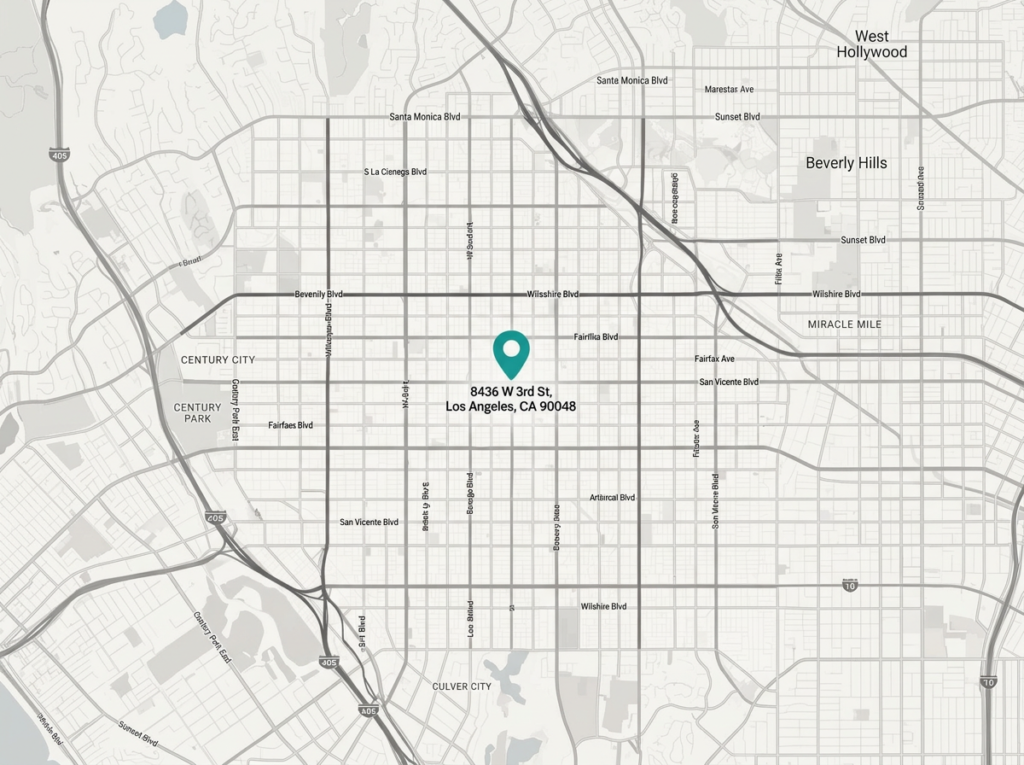
- Enlarged Prostate Center in Los Angeles
Enlarged Prostate Center in
Los Angeles
Conveniently located to treat patients across West LA and surrounding communities for enlarged prostate.
8436 W 3rd St, Suite 701
Los Angeles, CA 90048
Tel: 310-491-1313
Call to schedule
Same-Week Appointments
Available for consultations